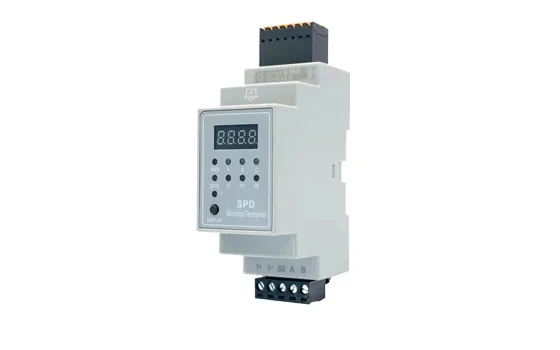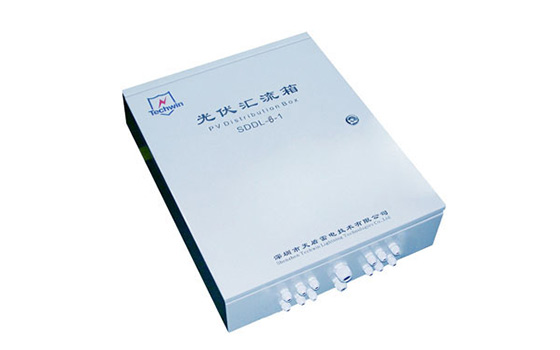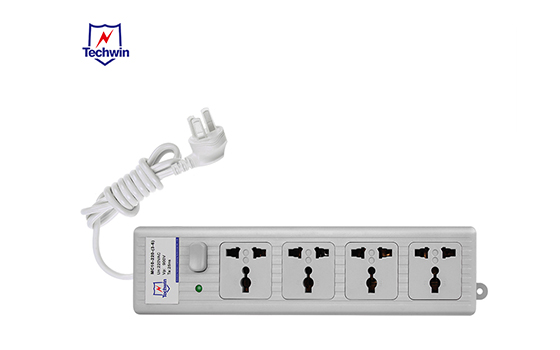

No surge protector can provide 100% protection against all possible electrical surges or power-related issues. Surge protectors are designed to limit the voltage supplied to an electrical device by either blocking or shorting to ground voltage above a safe threshold. They are effective in dealing with smaller surges and spikes, such as those caused by lightning or fluctuations in the power grid.
However, surge protectors have limitations:
Magnitude of Surge: Extremely large or sustained surges can overwhelm a surge protector's capacity.
Response Time: Surge protectors have a finite response time. While it's very short, some very fast surges may still get through.
Wear and Tear: Surge protectors degrade over time and can become less effective with repeated surges.
Type of Protection: Different surge protectors offer varying levels of protection. High-quality surge protectors may provide better protection than cheaper alternatives.
Secondary Paths: Surges can also enter a system through other paths, such as network or phone lines, which may not be protected by a standard power strip surge protector.
To enhance protection, consider using additional safeguards such as uninterruptible power supplies (UPS) for critical electronics or point-of-use surge protectors for specific devices. Additionally, proper grounding and having your electrical system inspected regularly are important for overall electrical safety.
 Will a surge protector still work after a power failure? –Comprehensive Technical AnalysisApril 27, 2025Systematic maintenance ensures SPD reliability post-power failure.viewSelection of Signal SPD Lightning Protection EquipmentMarch 13, 2023When it comes to the use of lightning arrester, many people lack a correct understanding of some of the parameters of the lightning arrester. Coupled with the increasing frequency of thunderstorms and...viewHow is a Surge Protector Grounded?February 1, 2023As we all know, the impact and damage of thunderstorms and lightning on us is very huge, so it is also very important to take corresponding lightning protection measures for various power supply elect...viewHow to Select Lightning-Proof Surge Protectors for Buildings?March 18, 2025In the lightning protection of a building's power supply, a lightning-proof surge protector safeguards equipment by discharging lightning currents and limiting surge voltages. It is the main means...viewHow to install a SPD?August 11, 2023Techwin surge protective devices (SPDs) are designed to protect electrical equipment from power surges. Installing an SPD is essential to ensuring the safety and longevity of your devices. Here is a s...viewHow to Choose a Good Surge Protector?November 28, 2023Choosing a good surge protector is crucial to safeguard your electronic devices from voltage spikes and ensure their longevity. Here are key factors to consider when selecting a surge protector:.Joule...view
 EN
EN
 jp
jp  ko
ko  fr
fr  de
de  es
es  it
it  ru
ru  pt
pt  ar
ar  vi
vi  th
th  ro
ro  bg
bg  nl
nl