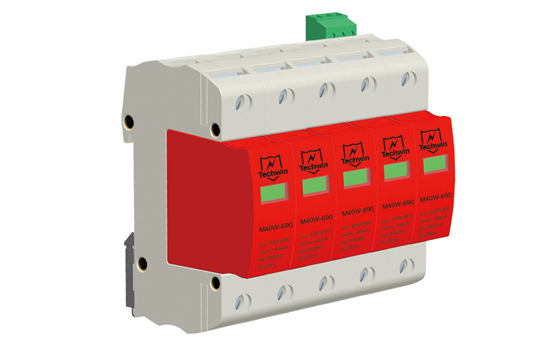


SPD stands for Surge Protective Device, which is a device that is designed to protect electrical and electronic equipment from voltage surges and transients. Here is a brief explanation of how SPDs work:
SPDs are installed in parallel with the equipment they are designed to protect. This means that they are connected between the power supply and the equipment, and they divert excess voltage to ground.
SPDs typically use one or more metal oxide varistors (MOVs) to absorb excess voltage. MOVs are semiconductors that have a variable resistance depending on the voltage applied to them. When voltage spikes occur, the MOVs become conductive and divert the excess voltage to ground, thus protecting the equipment.
In addition to MOVs, SPDs may also include other components such as gas discharge tubes, capacitors, and inductors to provide additional protection against different types of surges and transients. SPD breakers come equipped with these various components to offer optimal safety and protection, catering to the specific needs of various electrical systems and appliances.
SPDs must be properly sized and rated for the equipment they are protecting. This includes consideration of the voltage and current ratings of the SPD, as well as the maximum surge current that it can handle.
It is essential to have a reliable SPD brand installed. SPDs should be installed by a qualified electrician and should be regularly inspected and tested to ensure that they are functioning properly. By choosing a reliable SPD brand and adopting a preventative approach through regular inspection and maintenance, it is possible to safeguard the integrity of electrical systems and minimize the risks of electrical surges or failures.
Overall, SPDs provide an important layer of protection against voltage surges and transients that can cause damage to electrical and electronic equipment. By diverting excess voltage to ground, SPDs can help extend the lifespan of equipment and reduce the risk of downtime and costly repairs.
 Selection Principle of Surge Protector in Distribution BoxJune 20, 2022(1) The voltage protection level Up of SPD should always be less than the impulse withstand voltage Uc of the protected equipment, and greater than the maximum operating voltage Us of the power grid o...viewBasic Components of Surge ProtectorAugust 10, 20221. The discharge gap of the surge protective deviceThe discharge gap of the surge protective device is generally composed of two metal rods exposed to the air and separated by a certain gap. One of th...viewApplication of Surge Protector Against LightningNovember 9, 20211. The development of the surge protector against lightningAs early as the 1950s and 1960s, surge protectors have been widely used in lightning protection design. Surge protectors were first called vo...viewDebunking Common Myths and Misconceptions about Lightning Protection DevicesFebruary 29, 2024In today's fast-paced world, technology plays a crucial role in our everyday lives. From smartphones to smart homes, we rely on various electronic devices to stay connected and entertained. Howeve...viewPrice and Brand of Lightning ArresterJanuary 10, 2022A surge protector, also called as surge diverter, surge suppressor, or surge protection device (SPD), is an appliance designed to protect electrical devices from induced lightning.1. How about the sur...viewHow to Choose a Good Surge Protector?November 28, 2023Choosing a good surge protector is crucial to safeguard your electronic devices from voltage spikes and ensure their longevity. Here are key factors to consider when selecting a surge protector:.Joule...view
 EN
EN
 jp
jp  ko
ko  fr
fr  de
de  es
es  it
it  ru
ru  pt
pt  ar
ar  vi
vi  th
th  ro
ro  bg
bg  nl
nl