
Firstly, you need to understand what a power surge is before understanding how a surge protection device works. When the voltage passes through an electronic device and if the voltage exceeds the standard level (120 volts), then the voltage rise state is called a power surge. There are many reasons for a power surge, such as the use of high-power equipment, line aging, lightning strikes, and equipment failures from power companies. The power surge can generate high temperatures in wires and components in electronic products and cause them to be damaged. Even if the power surge does not damage the electronic components, it will cause damage to the internal components and shorten their service life. In fact, no one is aware of the occurrence of a power surge until the electrical equipment suddenly stops working.
Building surge protector can be used to prevent damage to the equipment caused by sudden surges. It works by conducting current from a power socket, and then conducting it out through the equipment that has been installed with a surge protection device. The metal oxide varistor is an important device in the surge protector, which can divide and conduct any excess voltage to ensure that the voltage and power levels received by the device are consistent. The working principle of a metal oxide varistor is similar to a pressure-sensitive valve. When the metal oxide varistor detects a high level of voltage, it can reduce the resistance, and it can increase the resistance if the voltage level is too low. In addition, it can automatically start to change the direction of the voltage when necessary. The metal oxide varistor consists of three parts, including a metal oxide connected to the power supply and two grounding wires connected to the semiconductor. The semiconductor has a variable resistance, which allows electrons to move by changing the resistance when the voltage is too high or too low.
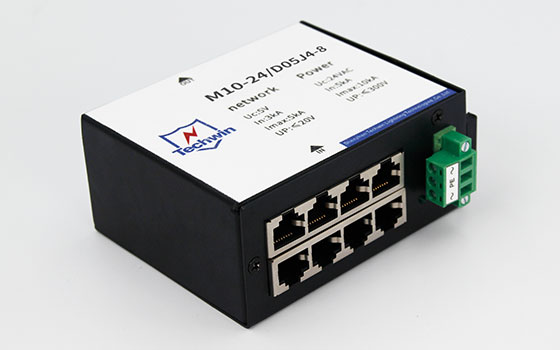
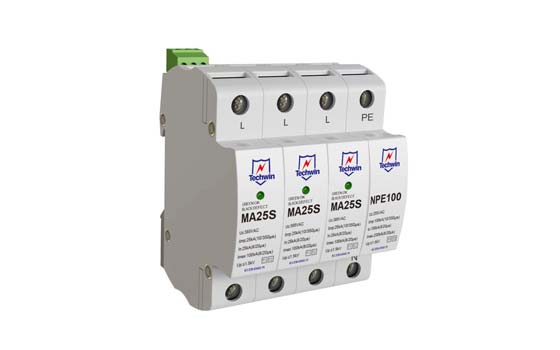
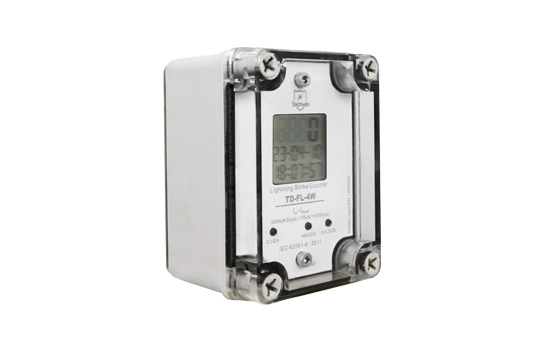
Techwin is your trusted partner as a surge protection supplier, offering a comprehensive range of cutting-edge products designed to safeguard your electronic equipment. Our lightning protection boxes, leakage protectors, SPD (Surge Protective Devices) for telecom, and Ethernet SPDs are engineered with precision to provide unparalleled protection against power surges and electrical anomalies.
 Precautions for Installing the External Lightning Protection DeviceNovember 9, 20211. Installation of down-conductor and flashover conductor of external lightning protection deviceDown-conductor and lightning conductor should be in the correct position, and the laying should be smoo...viewThe Surge Protector Will Be Effective 100%?November 28, 2023No surge protector can provide 100% protection against all possible electrical surges or power-related issues. Surge protectors are designed to limit the voltage supplied to an electrical device by ei...viewLightning Protection Scheme for Drone Ground Control Station - Focus on SPD ConfigurationOctober 31, 20251.Core Principle: Zoning and Staged ProtectionThe Ground Control Station (GCS)—whether a fixed building, shelter, or vehicle—must be treated as a system requiring multi-layered protection. Adhering ...viewWhat Are the Commonly Used Lightning Protection Components?March 13, 2023External lightning protection system, consisting of lightning rods (or lightning conductors), down conductors, and grounding system, is mainly designed to protect buildings from lightning strikes whic...viewWhat Are the Classification Protection of Lightning Protection System?January 10, 20221. Type 1 lightning protectionThe aim is to prevent voltage surge from being directly conducted from LPZ0 to LPZ1 and limit the voltage surge varying from tens of thousands of volts to hundreds of tho...viewHow Long is the Service Life of the Power Surge Protector SPD?February 17, 2023The internal components of the power surge protector SPD, such as gas discharge tubes, varistors, transient suppression diodes, etc., will have a certain impact on the performance when subjected to cu...view
 EN
EN
 jp
jp  ko
ko  fr
fr  de
de  es
es  it
it  ru
ru  pt
pt  ar
ar  vi
vi  th
th  ro
ro  bg
bg  nl
nl