
Choosing a good surge protector is crucial to safeguard your electronic devices from voltage spikes and ensure their longevity. Here are key factors to consider when selecting a surge protector:
.
Joule Rating: The joule rating indicates the amount of energy the surge protector can absorb before it fails. In general, higher joule ratings provide better protection. Look for a surge protector with a joule rating that meets or exceeds your specific needs. For sensitive electronics and home entertainment systems, a higher joule rating is advisable.
.
.
Clamping Voltage: The clamping voltage is the level at which the surge protector will divert excess voltage to the ground. Lower clamping voltages are better, as they indicate that the surge protector will respond more quickly to a surge. Look for a surge protector with a clamping voltage of 400V or lower for optimal protection.
.
.
Response Time: A surge protector's response time is the time it takes to react to a surge. Faster response times are more desirable. When looking for a surge protector for sale, make sure it has a response time measured in nanoseconds (ns). Quick response times help ensure that sensitive devices are protected from the sudden spikes in voltage.
.
.
Number of Outlets: Consider the number of outlets you need based on the devices you plan to connect. Be sure to account for devices with bulky power adapters that may block adjacent outlets. Some surge protectors also offer spaced outlets or rotating plugs to accommodate larger power bricks.
.
.
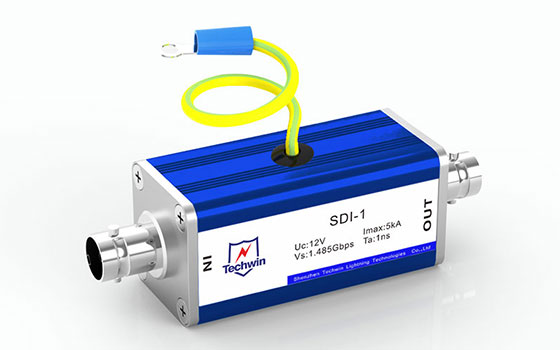
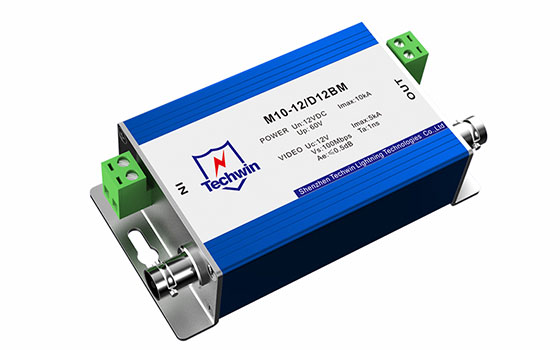
Type of Outlets: Surge protectors may have a mix of standard outlets and specialty outlets, such as USB ports or coaxial and telephone connectors for additional protection. Choose a surge protector that fits your specific needs, especially if you have devices that require these additional connections.
.
.
EMI/RFI Filtration: Electromagnetic interference (EMI) and radio-frequency interference (RFI) can affect the performance of electronic devices. Surge protectors with EMI/RFI filtration can help reduce interference and improve the overall performance of connected devices.
.
.
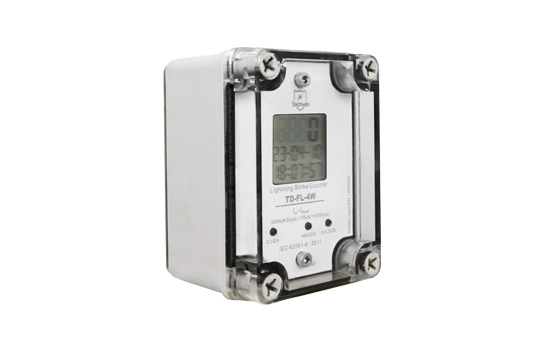
Indicator Lights: Surge protectors with indicator lights provide visual confirmation of their status. Look for models with lights that indicate if the unit is functioning properly and whether the connected devices are grounded and protected. This can be especially helpful for troubleshooting.
.
.
Warranty: A longer warranty period is often an indicator of the manufacturer's confidence in the surge protector's durability and effectiveness. Look for surge protectors with warranties of at least 3 to 5 years. Some manufacturers even offer connected equipment warranties, covering the repair or replacement of devices damaged while connected to their surge protectors.
.
.
UL Certification: Ensure that the surge protector has been tested and certified by reputable organizations such as Underwriters Laboratories (UL). Certification indicates that the product meets specific safety and performance standards.
.
.
Mounting Options: Consider whether you want a surge protector that can be mounted on a wall or under a desk. This can help save space and provide a neat and organized setup.
.
.
Resettable Circuit Breaker: Some surge protectors include a resettable circuit breaker that can be manually reset if it trips due to an overload. This adds an extra layer of protection for your devices.
.
.
Brand Reputation: Stick to a reputable surge protector factory known for producing reliable and high-quality surge protectors. Read customer reviews and testimonials to gauge the experiences of other users.
.
.
Lifetime Connected Equipment Guarantee: Some surge protectors come with a connected equipment guarantee, covering repair or replacement costs for devices connected to the surge protector in case of damage from a surge. Check the terms and conditions of this guarantee.
.
In conclusion, selecting a good surge protector involves considering factors such as joule rating, clamping voltage, response time, number and type of outlets, EMI/RFI filtration, indicator lights, warranty, UL certification, mounting options, resettable circuit breaker, brand reputation, and a connected equipment guarantee. By carefully evaluating these features, you can choose a surge protector that provides robust protection for your valuable electronics.
 How to Determine Which Type of Surge Protector to Use for Distribution Box?March 13, 20231、Understanding of Network Surge ProtectorsA surge protector, also known as a lightning arrester, is an electronic device that provides safety protection for various electronic devices, instruments, ...viewWhat Is a Surge Circuit Breaker?June 26, 2024Surge Circuit Breaker, also known as SCB, is a new type of product used to replace traditional dedicated circuit breakers or fuses. It is specially designed for surge current protection, addressing th...viewThe Difference Between Surge Protector and Leakage ProtectorOctober 25, 20211. The introduction of lightning surge protector and leakage protector(1) Lightning surge protectorLightning surge protector, also called lightning protection device, is an electronic equipment which ...viewEvaluating The Cost-Effectiveness Of Coaxial Surge Protection DevicesJanuary 10, 2024As the reliance on sophisticated electronic systems and communication networks grows, the need for robust surge protection becomes increasingly critical. Coaxial surge protection devices stand as the ...viewWhich instruments and meters need to be equipped with lightning protection modules?October 25, 2021Which instruments and meters need to be equipped with lightning protection modules?Instruments and meters often encounter unexpected voltage transients and surges during use, which can cause damage to...viewProtection Measures Against Ground Potential RiseOctober 10, 2025In areas with frequent lightning activity, the ground potential rise caused by the grounding system enduring lightning current can lead to instantaneous elevation of the ground potential, forming a gr...view
 EN
EN
 jp
jp  ko
ko  fr
fr  de
de  es
es  it
it  ru
ru  pt
pt  ar
ar  vi
vi  th
th  ro
ro  bg
bg  nl
nl