
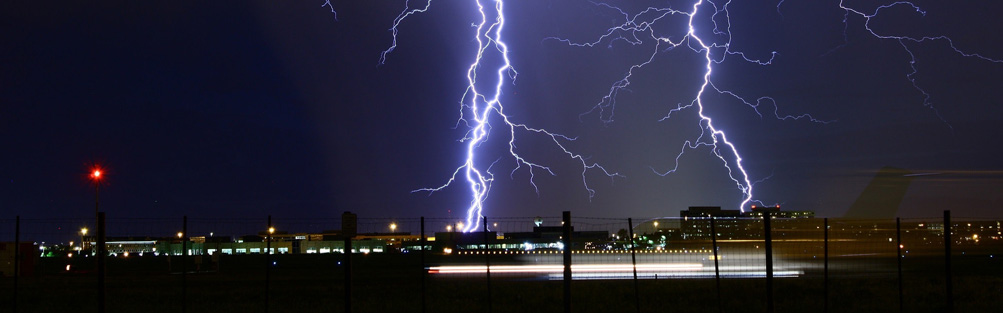
Implementing a lightning surge protection plan is crucial for petrochemical projects to safeguard critical infrastructure, equipment, and personnel. Lightning poses a significant risk to facilities, especially in industries where flammable materials are present. Here is a comprehensive lightning surge protection plan tailored for petrochemical projects:
Risk Assessment
Conduct a thorough risk assessment to identify vulnerable areas and critical equipment. Consider factors such as facility size, geographical location, lightning frequency, and the potential impact on operations.
Site Grounding
Ensure that the entire facility has a robust grounding system. Grounding is essential for dissipating the energy from a lightning strike safely. Use grounding techniques compliant with international standards, and regularly inspect and maintain grounding systems.
Lightning Protection System (LPS)
Install a comprehensive Lightning Protection System, including air terminals (lightning rods), down conductors, and grounding electrodes. The LPS should provide a direct path for lightning current to reach the ground, minimizing the risk of side flashes.
Surge Protection Devices (SPDs)
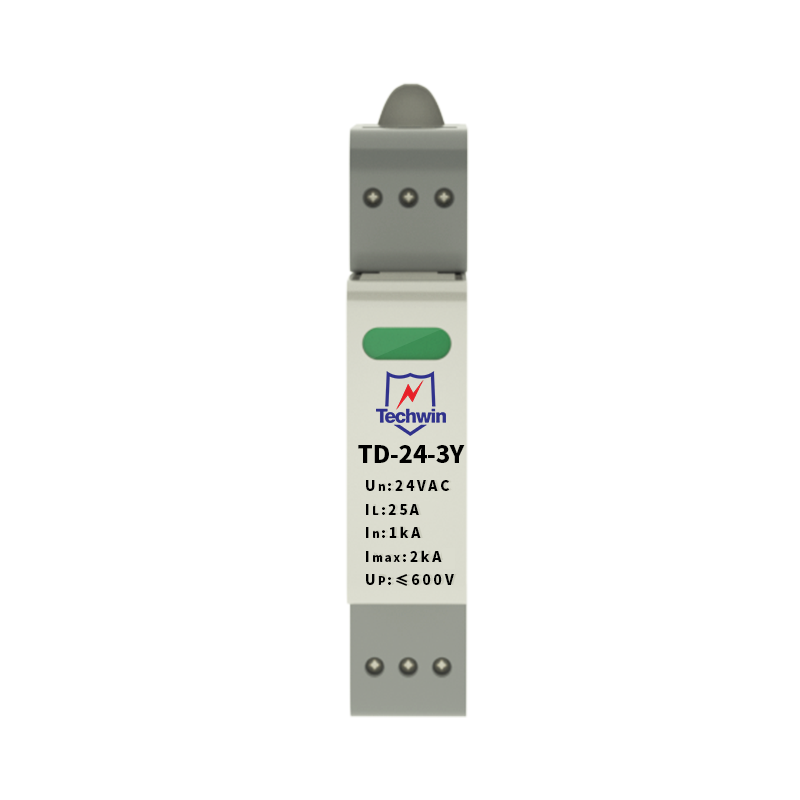
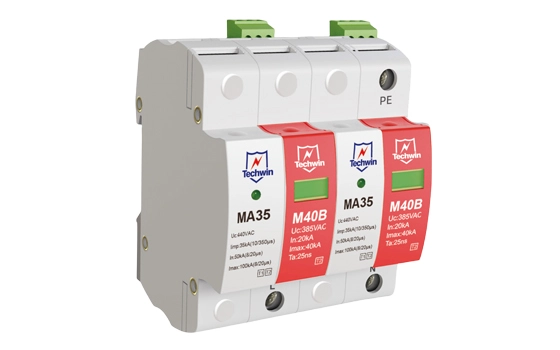
Deploy Surge Protection Devices at key points throughout the facility, including main electrical panels, substations, and communication systems. Choose SPDs with appropriate voltage ratings and ensure they meet or exceed industry standards.
Equipment Protection
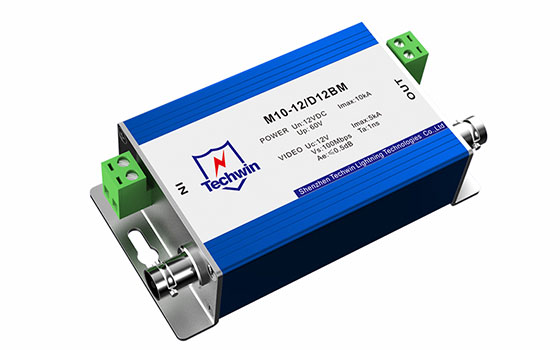
Install individual surge protectors at critical equipment and instrumentation points, such as control systems, process analyzers, and electronic devices. Consider surge protection for power, data, and communication lines.
Bonding and Shielding
Implement effective bonding and shielding measures to minimize electromagnetic interference (EMI) and radio-frequency interference (RFI). Ensure that metallic structures are properly interconnected to prevent potential differences during a lightning event.
Emergency Shutdown System (ESD)
Integrate lightning protection measures into the Emergency Shutdown System. Lightning-induced transients could affect control systems, and having a coordinated approach with ESD enhances safety.
Personnel Safety
Educate personnel on lightning safety protocols, including procedures for seeking shelter during storms and avoiding contact with conducting materials. Establish a lightning safety policy and conduct regular drills.
Monitoring and Maintenance
Implement a continuous monitoring system for lightning activity, and integrate it with the facility's monitoring and control systems. Regularly inspect and maintain lightning protection infrastructure to ensure its effectiveness.
Backup Power Systems
Ensure that critical systems have reliable backup power sources. Lightning can cause power disruptions, and having backup power helps prevent downtime and ensures the continued operation of essential functions.
Communication Protocols
Establish communication protocols for lightning events, including notification procedures for personnel and protocols for shutting down non-essential systems during severe storms.
Compliance with Standards
Ensure that all lightning protection measures comply with relevant international standards, such as IEC 62305 for lightning protection and IEC 61643 for surge protection.
Regular Training and Drills
Conduct regular training sessions and drills to familiarize personnel with lightning protection procedures. This ensures that everyone is well-prepared to respond appropriately during a lightning event.
Coordination with Emergency Services
Coordinate with local emergency services and have a clear plan for responding to lightning-related incidents. This includes having protocols for evacuations if necessary.
Documentation and Records
Maintain detailed documentation of the lightning protection plan, including design specifications, maintenance records, and any modifications. This documentation is valuable for audits and continuous improvement.
A well-designed lightning surge protection plan for petrochemical projects involves a multi-faceted approach, incorporating grounding, lightning protection systems, surge protection devices, equipment protection, personnel safety measures, and compliance with international standards. Regular monitoring, maintenance, and training are essential components to ensure the ongoing effectiveness of the plan. Collaborate with experts in lightning protection and regularly update the plan based on evolving industry standards and best practices.
 SPD Supply: A Strong Backing for Power EquipmentOctober 9, 2024SPD supply is a protective device installed in power lines to prevent damage to electrical equipment caused by transient overvoltage or overcurrent due to lightning strikes. The primary function of SP...viewWhat is the Difference Between a Class 1 Lightning Surge Protector and a Class 2?November 9, 2021Since the energy of lightning strikes is very huge, it is necessary to gradually discharge the energy of lightning strikes to the ground through a hierarchical discharge method. The first-level lightn...viewWhy Should Lightning Protection Systems Be Grounded?October 25, 2021We assume most people have a basic understanding of lighting protection system grounding, however, you may not be clear about why we have to use the lightning protection system grounding in the lighti...viewSignal Surge Protector: Safeguarding Electronic Systems Against LightningDecember 12, 2024The surge protector is an electronic device that provides safety protection for various electronic equipment, instruments, and communication lines. According to its use, it can be divided into power s...viewWhat Are the Lightning Protection Devices?September 18, 2021The whole set of lightning protection devices can be divided into flash catcher, lead wire, lightning protection and grounding device. Lightning protection device is to prevent the equipment from bein...viewHow Does A Surge Protection Device Work?August 30, 20211. Learn what is a power surge before undersanding a surge protection deviceFirstly, you need to understand what a power surge is before understanding how a surge protection device works. When the vol...view
 EN
EN
 jp
jp  ko
ko  fr
fr  de
de  es
es  it
it  ru
ru  pt
pt  ar
ar  vi
vi  th
th  ro
ro  bg
bg  nl
nl