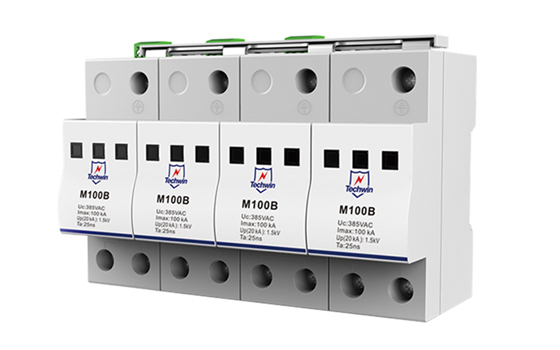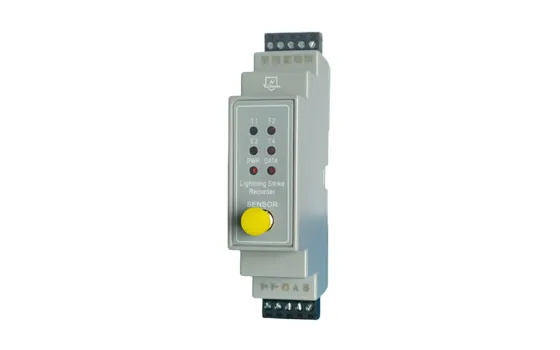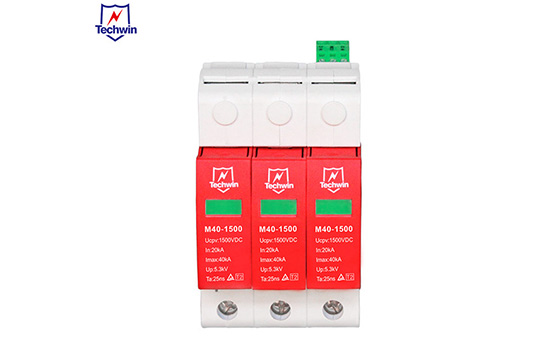

Surge protection device, also known as SPD, is an electronic device that offers safe protection for various electronic equipment, instruments, and communication lines. It is used to limit transient overvoltage and dissipate surge current, and it contains at least one non-linear element.
Surge protection device is composed of discharge gaps, gas discharge tubes, varistors, suppressor diodes, and inductors, etc. According to their operational principles, SPDs can be classified into voltage switching type SPDs, voltage limiting type SPDs, and combination SPDs. Their operational principle is to restrict the transient overvoltage entering the power line or signal line within the range that the protection equipment can bear, or to direct strong lightning currents into the ground to protect the protected equipment or system from damage. It is vital to choose an appropriate SPD brand for optimum performance and protection. By selecting high-quality SPD brands, it is possible to mitigate the risks of electrical surges or transients, ensuring safe and effective operational performance for a wide range of electrical appliances and systems.
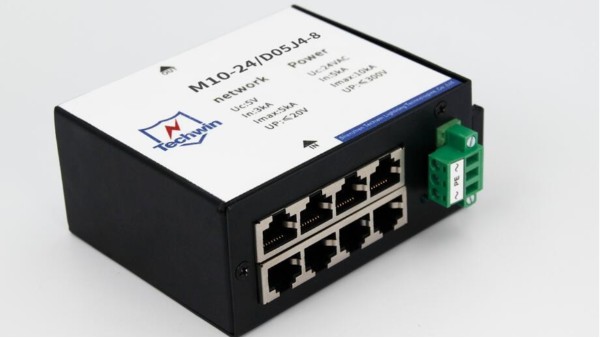
(1) Voltage protection level
The voltage protection level is a parameter that characterizes the performance of the surge protector in limiting voltage between terminals. The value should be greater than the maximum limiting voltage.
(2) nominal discharge current
The peak current of 8/20ys waveform is used for the Class II test of surge protector and the pretreatment experiment of Class Ⅰ and Class Ⅱ test.
(3) impulse current
The current defined by Ipeak current, charge quantity Q and specific energy W/R is used in Class I experiments of surge protectors with typical waveform of 10/350us.
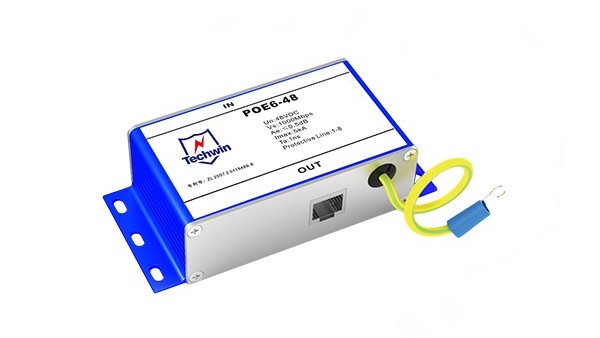
When the power line surge protector is installed at each position, its connecting wire should be short and straight, and its total length should be less than 0.5m, so that the effective protection level Up/f is less than the equipment surge voltage rating Uw. The installation position of the first level of surge protector should be near the total equipotential of the household line as far as possible, and if the second level of protection should be installed near the protected equipment as far as possible.
If the line length between the first-level power surge protector and the protected device is greater than the value of Lpo or Lpi, add a signal surge protector to the protected device or to the distribution box of the distribution line. If the line length between the power surge protector and the protected device at the distribution box is greater than the value of Lpo or Lpi, add a surge protector to the protected device. When a surge protector is added to the electronic information equipment to be protected, Up should be less than the rated value of the equipment's surge voltage, Uw, with a margin of 20%. To improve the reliability of installing a surge protector, you can use multilevel coordination or other devices, such as an RCD, to effectively prevent personal accidents. Use with overcurrent protector to ensure the continuity of the power supply.
If surge protectors are installed at the interface where the power line crosses the lightning protection area, the number of installations should also match the number of lightning protection areas designated. In multistage SPD protection, the number of installations should be accurately calculated and the installation position should be carefully selected, so as to accurately match the installation position and the installation number so that the lightning current can be apportioned according to the energy tolerance capacity of each SPD, and the lightning flow can be guided into the ground, so that the original threat value of lightning can be reduced to the damage immunity of the protected equipment, and the effect of protecting the electronic system can be achieved. If there is no shielding measure for the overvoltage protection level between the information equipment in the building, the induced voltage line should be designed and 80% of its value should be considered when considering the overvoltage level of the protected equipment. If there is no lightning protection device in the building, if the building with an information system needs to be equipped with SPD protection, use a lightning protection net to shield the building.
With the application of surge protector in electronic information products, electronic equipment can be protected from the damage of lightning electromagnetic pulse, improve the safety and reliability of electronic information equipment and facilities in the power supply system, and promote the realization of smart grid.
 Understanding Your Needs: A Guide to Selecting the Perfect Surge ProtectorMarch 1, 2024In an era dominated by electronic devices, protecting them from power surges is crucial. A surge protector acts as a guardian, shielding your valuable equipment from sudden voltage spikes. However, no...viewTechwin Supports Nanchang Metro: Safeguarding Urban Traffic SafetyOctober 10, 2025At 10:18 AM on June 28, initial operations simultaneously commenced for three extended lines of Nanchang Metro: the north extension and east extension of Line 1, and the east extension of Line 2. The ...viewWhat is the Residual Voltage of the Surge Protector?March 23, 2022What is the residual voltage of the surge protector? When the SPD device is selected and adapted, its various parameters will be comprehensively considered, and a comprehensive selection will be made....viewTechnical terminology in IEC61643 standards-2December 8, 20212.1.20 Reference Voltage UrefIn the area where the volt-ampere characteristics of the metal oxide resistor will transition from the weak electric field area to the strong electric field area, a suitab...viewExcellence in Quality: Product Applications of Photovoltaic DC Power Supply SPDJune 26, 2024Photovoltaic equipment is often exposed to outdoor environments over the long term, while the electronic components of inverters are highly sensitive to environmental conditions. Particularly on the D...viewProtection Measures Against Ground Potential RiseOctober 10, 2025In areas with frequent lightning activity, the ground potential rise caused by the grounding system enduring lightning current can lead to instantaneous elevation of the ground potential, forming a gr...view
 EN
EN
 jp
jp  ko
ko  fr
fr  de
de  es
es  it
it  ru
ru  pt
pt  ar
ar  vi
vi  th
th  ro
ro  bg
bg  nl
nl