
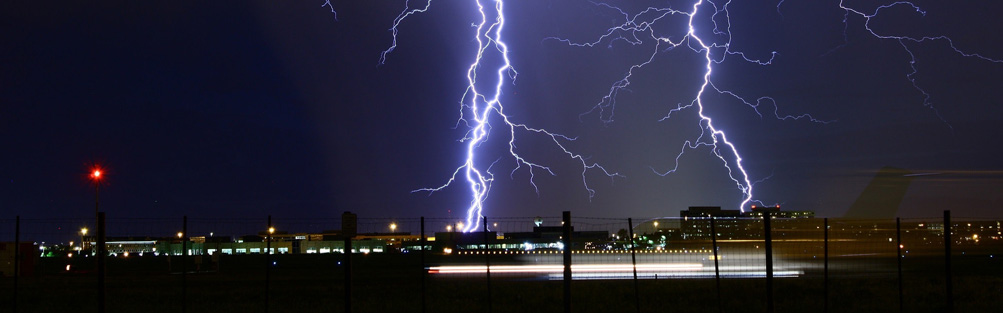
Lightning and surges damage equipment mainly through three destructive effects: overvoltage breakdown, overheating from excessive current, and magnetic induction damage. Here’s a clear, concise explanation:
Normal power lines carry a fixed voltage (e.g., 220V, 380V, 110V). A surge is a very short, extremely high voltage spike — often thousands to millions of volts — caused by:
Direct or nearby lightning strike
Switching large electrical equipment
Power grid faults
This voltage is far beyond what electronic circuits can withstand.
① Overvoltage breaks down insulation & semiconductors
Electronic components (chips, diodes, transistors, ICs) have very thin insulation layers.
High surge voltage punches holes in insulation → short circuit inside the component.
Result: chip burnout, motherboard failure, power supply damage.
② Huge current causes overheating & melting
Lightning induces massive current in wires.
Current flows through tiny wires, PCB traces, and components.
Joule heating:
P=I2R— high current creates extreme heat instantly.
Result: Wires / PCB traces melt or vaporize
Components explode, burn, or turn black
③ Electromagnetic induction destroys distant equipment
Lightning does not need to hit the device directly.
It creates a fast-changing strong magnetic field.
This induces high voltage in nearby cables (power, network, telephone, CCTV).
The induced surge travels along the wire into equipment and damages it.
④ Arc & spark damage
High voltage can jump across gaps (between pins, connectors, terminals).
Creates an electric arc → high temperature → burns circuit boards, plastic, connectors.
Power supplies, adapters
Computers, servers, monitors
Routers, switches, network cards
TVs, audio, home appliances
Industrial controllers, PLCs, sensors
Security cameras, DVRs
All have sensitive integrated circuits that cannot survive high voltage spikes.
Lightning and surges destroy equipment by forcing abnormally high voltage into circuits, breaking insulation, creating destructive current, overheating components, melting wires, and burning chips — often in microseconds.
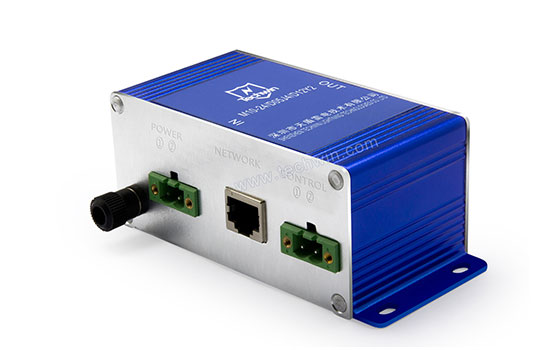
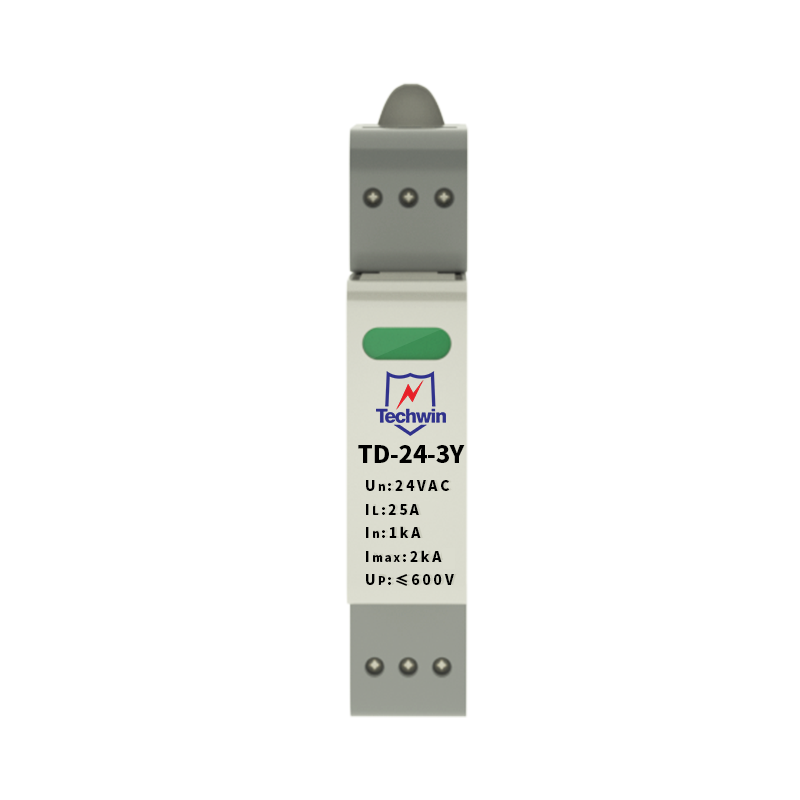
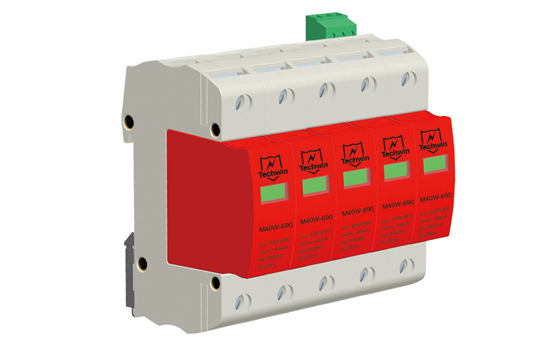
Because lightning and surge damage happens in microseconds, prevention—not repair—is the only effective strategy. The most widely used protection method is installing the surge protection device (SPD) at different points in the electrical and signal system.
SPDs work by safely diverting excessive voltage and current to the ground before it reaches sensitive equipment, effectively blocking the destructive effects explained above.
Power Supply Protection (Against Overvoltage and Overcurrent)
SPDs employed in electrical distribution networks reduce overvoltage and safely discharge surge current, reducing insulation breakdown and thermal damage.
New Energy System Protection (Outdoor Exposure)
Solar and photovoltaic systems are very susceptible to lightning. Specialized SPDs shield inverters, combiner boxes, and DC lines from both direct and generated surges.
Information System Protection (against Induced Surges)
Data connections, such as Ethernet, can transmit surge energy to sensitive equipment. Signal SPDs filter out transient voltages before they reach servers and network devices.
Telecommunications and Antenna Protection (High-Risk Entry Points)
Communication wires and antennas frequently serve as direct entry points for lightning energy. Dedicated protectors keep surges from spreading into indoor systems.
High-capacity protection for industrial environments.
High-risk applications, such as factories or huge facilities, necessitate surge protection devices with high discharge capacity to handle excessive current levels.
Smart Monitoring for Continuous Protection.
Intelligent monitoring systems give real-time status of SPD performance, which aids in long-term reliability and prompt repair.
 What Are the Commonly Used Lightning Protection Components?March 13, 2023External lightning protection system, consisting of lightning rods (or lightning conductors), down conductors, and grounding system, is mainly designed to protect buildings from lightning strikes whic...viewCharacteristics and applications of combination type surge protectorsMarch 25, 2024Combination type surge protection devices (SPDs) are advanced surge protection systems designed to provide enhanced protection against transient overvoltages and surges in electrical systems. They typ...viewWhat is type 2 surge protection?February 24, 2023What is type 2 surge protection?viewLightning Protection Scheme for Drone Ground Control Station - Focus on SPD ConfigurationOctober 31, 20251.Core Principle: Zoning and Staged ProtectionThe Ground Control Station (GCS)—whether a fixed building, shelter, or vehicle—must be treated as a system requiring multi-layered protection. Adhering ...viewThe Role of Lightning and Surge Protection Devices in Biogas PlantsJuly 4, 2024In modern biogas facilities, biogas, as a clean and renewable energy source, is being widely used globally. However, for biogas plants, which process organic materials and produce biogas, the safe ope...viewFrequent Video Monitoring Failures in Wind Farms? The Problem Might Be HereApril 23, 2026Frequent Video Monitoring Failures in Wind Farms? The Problem Might Be HereIn the operational system of a wind farm, video monitoring plays a vital role in equipment inspection, safety management, and...view
 EN
EN
 jp
jp  ko
ko  fr
fr  de
de  es
es  it
it  ru
ru  pt
pt  ar
ar  vi
vi  th
th  ro
ro  bg
bg  nl
nl