
In the world of electrical safety and protection, two commonly used devices often get confused: circuit breaker vs surge protector. While they both serve critical roles in safeguarding your electrical system, they address distinct types of electrical issues. In this article, we'll compare circuit breaker vs surge protector, helping you understand their differences and when to use each.
A circuit breaker is a device designed to protect your electrical system from overcurrent conditions. It acts as a switch that can open or "break" the electrical circuit when it detects an excessive flow of electricity, preventing overheating and potential electrical fires. Here are some key features of circuit breakers:
Overcurrent Protection
Circuit breakers primarily provide overcurrent protection. When there is too much current flowing through a circuit due to a short circuit or overload, the circuit breaker trips and interrupts the electrical flow.
Circuit Interruption
The primary function of a circuit breaker is to disconnect power when it detects a fault. This helps prevent damage to wiring, appliances, and electrical devices.
Reusability
Circuit breakers are reusable devices. After they trip due to an overcurrent event, you can reset them to restore power once the issue is resolved.
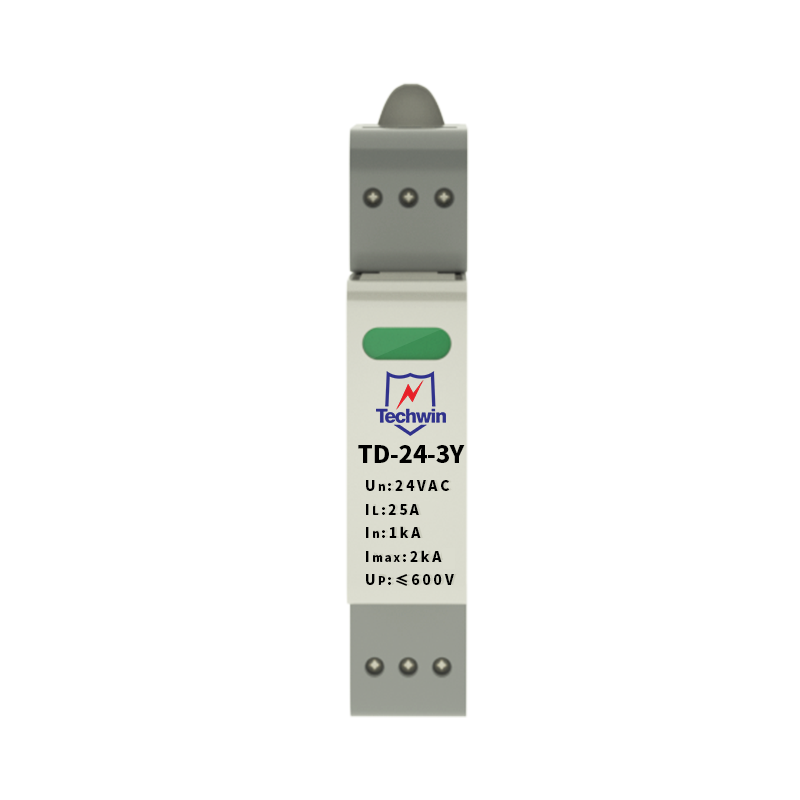
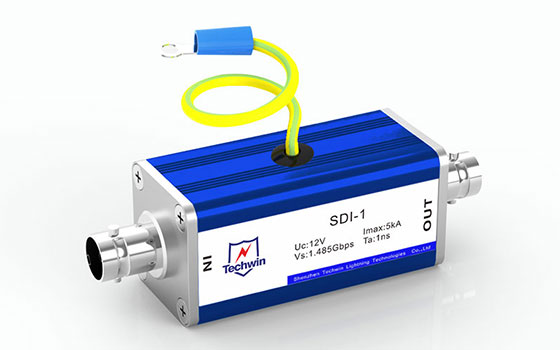
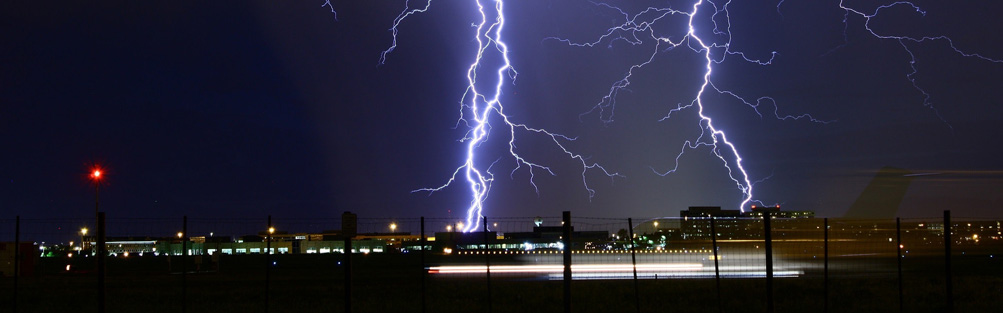
A surge protector, on the other hand, is designed to protect your electrical devices and appliances from voltage spikes and surges. Voltage surges can occur due to lightning strikes, utility grid fluctuations, or the operation of high-power electrical equipment. Here are some key features of surge protectors:
Voltage Surge Protection
Surge protectors primarily provide protection against voltage surges and spikes. They limit the voltage supplied to your devices, preventing them from being damaged by excessive voltage.
Device Protection
Surge protectors are installed at individual electrical outlets to protect connected devices. They are commonly used to safeguard computers, TVs, and other sensitive electronics.
Limited Lifespan
Surge protectors have a limited lifespan and may wear out over time or after absorbing multiple surges. It's important to replace them periodically to maintain their effectiveness.
To better understand how these devices differ in real-world applications, the following comparison highlights their key characteristics—helping you make more informed decisions when selecting surge protection solutions.
Comparison Dimension | Circuit Breaker | Surge Protector |
Definition | A device that protects the electrical system from overcurrent conditions. | A device that protects electrical devices from voltage spikes and surges. |
Primary Function | Prevents overheating and fire caused by overloads or short circuits, protects wiring. | Limits excessive voltage to protect sensitive electronics (e.g., computers, TVs). |
Protection Target | Entire electrical circuit and wiring (overcurrent protection). | Individual electrical devices (overvoltage protection). |
Working Principle | Automatically trips to disconnect the circuit when overcurrent is detected. | Absorbs or diverts excess energy when a voltage surge occurs, clamps voltage. |
Trigger Condition | Overcurrent (high amperage). | Overvoltage (high voltage, e.g., lightning strikes, grid fluctuations). |
Installation Location | Electrical panel / distribution board (system-level). | Power outlets / device front-end (device-level). |
Reset / Maintenance | Can be manually reset and reused multiple times. | Cannot be reset; effectiveness decreases after multiple surges; requires periodic replacement. |
Lifespan | Durable, can trip and reset multiple times. | Limited lifespan; may fail after repeated surges. |
Response Characteristics | Cuts off power to protect the system. | Does not cut off power; only limits voltage to protect devices. |
Pros & Cons | Pros: Reusable, fire protection; Cons: Cannot protect against voltage surges. | Pros: Protects sensitive electronics; Cons: Limited lifespan, requires replacement. |
Complementary Use | Works together with surge protectors for comprehensive electrical safety. | Works together with circuit breakers for comprehensive electrical safety. |
Now that we understand the differences between circuit breakers and surge protectors, let's discuss when to use each device:
Use Circuit Breakers When:
You Need Overcurrent Protection: Circuit breakers are essential for preventing overheating and fires caused by overcurrent conditions in your electrical system.
You want to Protect Wiring and Circuits: Circuit breakers safeguard the wiring and circuits within your electrical system from damage during electrical faults.
Use Surge Protectors When:
You Want to Protect Electronic Devices: Surge protectors are ideal for safeguarding sensitive electronic devices like computers, TVs, and gaming consoles from voltage spikes and surges.
You Need Outlet-Level Protection: Surge protectors are installed at individual outlets and provide protection for the devices connected to them.
In summary, circuit breakers and surge protectors serve distinct but complementary roles in electrical safety. Circuit breakers protect your electrical system from overcurrent conditions and faults, while surge protectors safeguard your electronic devices from voltage surges and spikes. It's essential to use both devices in your home or business to ensure comprehensive electrical safety and device protection. Understanding the differences between these devices empowers you to make informed choices to protect your electrical system and valuable electronics.
Looking for a reliable surge protection device manufacturer? Contact us to explore customized solutions for your industrial or commercial needs.
 Debunking Common Myths and Misconceptions about Lightning Protection DevicesFebruary 29, 2024In today's fast-paced world, technology plays a crucial role in our everyday lives. From smartphones to smart homes, we rely on various electronic devices to stay connected and entertained. Howeve...viewExcellence in Quality: Product Applications of Photovoltaic DC Power Supply SPDJune 26, 2024Photovoltaic equipment is often exposed to outdoor environments over the long term, while the electronic components of inverters are highly sensitive to environmental conditions. Particularly on the D...viewTechnical characteristics of SPDSeptember 8, 2021The important technical characteristics of SPDMaximum continuous operating voltage UCThe maximum continuous operating voltage (old: rated voltage) is the maximum root mean square value (rms) of the al...viewEco-Friendly Power: The Environmental Impact of SPD for Power SupplyJanuary 5, 2024In an era where environmental sustainability is a global priority, the deployment of Surge Protection Devices (SPDs) for power supply emerges as a crucial component in creating a greener and more resp...viewSurge Protector Against Lightning: The Silent Guardian of High-Rise BuildingsApril 23, 2025Lightning Arrester (also known as Surge Protector Against Lightning) can be categorized into power surge protectors, signal surge protectors, and Antenna surge protectors. Each type plays a crucial ro...viewHow Power Surge Circuit Breakers Enhance Home Safety and Appliance LongevityJune 6, 2024In an age where technology and electrical appliances dominate our daily lives, safeguarding our homes from electrical hazards has never been more crucial. One significant advancement in this domain is...view
 EN
EN
 jp
jp  ko
ko  fr
fr  de
de  es
es  it
it  ru
ru  pt
pt  ar
ar  vi
vi  th
th  ro
ro  bg
bg  nl
nl