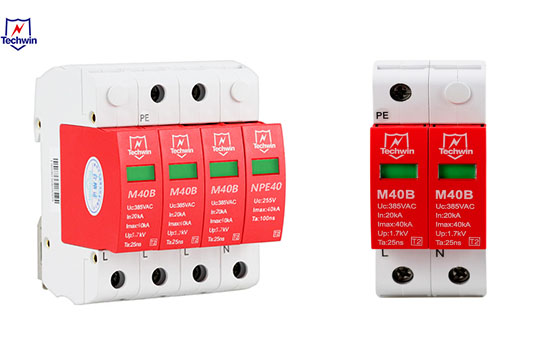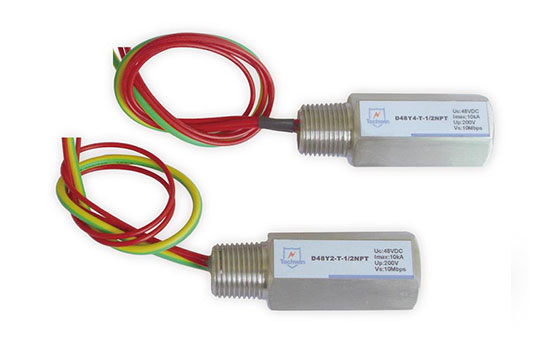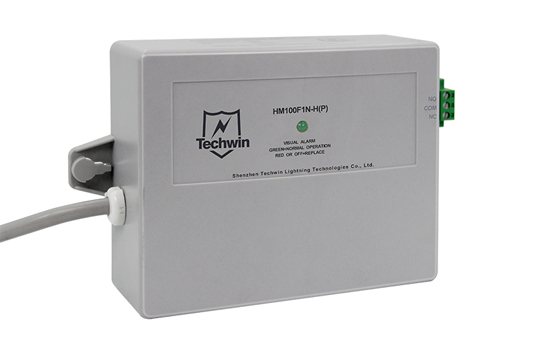


In an era where environmental sustainability is a global priority, the deployment of Surge Protection Devices (SPDs) for power supply emerges as a crucial component in creating a greener and more responsible energy infrastructure. This passage explores the profound environmental impact of SPDs, emphasizing their role in not only safeguarding electronic equipment but also contributing to a reduction in electronic waste and promoting energy efficiency.
One of the unsung environmental benefits of SPD for power supply is their role in reducing electronic waste. By acting as a defense mechanism against voltage spikes and power surges, these devices prevent irreparable damage to sensitive electronic equipment. This safeguarding function extends the lifespan of devices, ultimately reducing the frequency at which they need to be replaced. In doing so, SPDs indirectly contribute to a decrease in electronic waste generation, aligning with global efforts to curb the environmental impact of discarded electronics.
SPDs for power supply, particularly those equipped with advanced features like voltage optimization, play a significant role in enhancing energy efficiency. The stability they bring to the power supply prevents overvoltage situations, allowing connected electronics to operate at their optimal energy consumption levels. This not only translates to cost savings but also aligns with broader environmental goals by reducing overall power consumption. The integration of SPDs into power systems becomes a strategic move toward achieving energy efficiency targets and minimizing the carbon footprint associated with energy production.
The deployment of SPDs for power supply goes beyond protecting devices from immediate threats. It directly contributes to minimizing the carbon footprint associated with power-related incidents. Power surges, if unchecked, can lead to equipment damage, prompting replacements that, in turn, contribute to increased manufacturing and transportation emissions. By preventing such incidents, SPDs reduce the need for frequent replacements, mitigating the environmental costs associated with the production and disposal of electronic devices.
Despite their relatively small size and inconspicuous presence in power supply systems, SPDs make a significant impact on environmental sustainability. Users might not readily associate these protectors with eco-friendly practices, yet their deployment fosters a greener, more sustainable approach to power management. The use of SPDs is, in essence, a commitment to responsible electronic consumption that extends beyond immediate protection to long-term environmental stewardship.
When considering power supply solutions, choosing SPDs is not just about immediate protection but also about embracing sustainable practices. Manufacturers offer a range of SPD options designed for different applications, ensuring that users can make environmentally conscious choices tailored to their specific needs. This flexibility in selection reflects a commitment to integrating SPDs into power systems in a way that aligns with broader environmental conservation goals.
To fully harness the environmental benefits of SPDs for power supply, raising awareness about their impact is crucial. Users, both individuals and businesses, need to understand the role these devices play in reducing electronic waste, promoting energy efficiency, and minimizing the carbon footprint associated with power-related incidents. Education becomes a powerful tool in encouraging widespread adoption of SPDs and fostering a collective commitment to eco-friendly power management.
Eco-friendly power management is not just a futuristic concept; it is a present-day imperative. SPDs for power supply, with their multifaceted environmental benefits, stand out as green guardians in the realm of electronics. By reducing electronic waste, enhancing energy efficiency, and minimizing the carbon footprint, SPDs become integral components of a sustainable power infrastructure. Recognizing the unseen eco-friendly impact of SPDs is a crucial step in appreciating their role not just as protectors of devices but as contributors to a more environmentally conscious and resilient power landscape. Embracing SPDs for power supply is a commitment to responsible energy consumption, paving the way for a greener and more sustainable future.
 Features of A Good Surge Protection DeviceAugust 30, 2021Ⅰ. Features of a good surge protectorAs the name shows, the surge protector can prevent a sudden increase in voltage loss equipment. A low-end type of surge protector is definitely not a power strip ...viewUse, Installation and Configuration of Surge ProtectorsMay 20, 20221. Parameters selected by SPD of surge protector at all level1. SPD-1If the first-level surge protector SPD1 is installed in the general power distribution room of a building, three switch-type surge ...viewSelection of Power SPD Surge Protection DeviceFebruary 1, 20231. Discharge current of power surge protection deviceThe discharge current is the most important parameter for selecting a surge protector, which symbolizes the ability of the surge protector to disch...viewBeyond the Basics: Advanced Features in Surge Protectors for Tech EnthusiastsJanuary 5, 2024Unleashing the Power of ProtectionFor tech enthusiasts who revel in the intricacies of their electronic ecosystems, surge protection extends beyond mere safety—it becomes an art, a science, and an in...viewWhat is a Surge Protector?October 25, 20211. Surge protectorA surge protector is a small electrical device with two functions. The first function is to allow multiple components to be plugged into the same power outlet. The second function, w...viewUnderstanding The Technology Behind Lightning Protection Devices For Building StructuresJanuary 10, 2024In the field of building safety, the technology encompassed within lightning protection devices for building structures serves as a strong shield against the unpredictable nature of lightning. This pa...view
 EN
EN
 jp
jp  ko
ko  fr
fr  de
de  es
es  it
it  ru
ru  pt
pt  ar
ar  vi
vi  th
th  ro
ro  bg
bg  nl
nl